

We are not sure why but this ingredient – Triclosan – has received A LOT of coverage in other countries, yet hardly any here in Australia. And the research on this one is pretty conclusive.
Multiple studies over many years have found links between triclosan and numerous health problems – skin irritation (especially in children), interference with hormone function and potential links to increased risk of food allergies. A few weeks ago, triclosan was conclusively linked to liver cancer in rats.
It is proven to be an environmental toxin – it doesn’t break down and kills aquatic bacteria in waterways. Triclosan has been detected in dolphins, fish and even earthworms.
What is concerning is just how widespread its use has become. That is changing in other countries. Just a year ago, the US FDA revoked its status from ‘Generally regarded as safe’. Consumer goods companies in the US are now voluntarily removing it from all products (before 2017), and one US State – Minnesota – has even BANNED it. Its use is restricted in cosmetic products in both Japan and Canada.
Yet there seems to be little debate about its use here in Australia. In fact one company that uses it extensively was voted Australia’s most trusted brand this year.
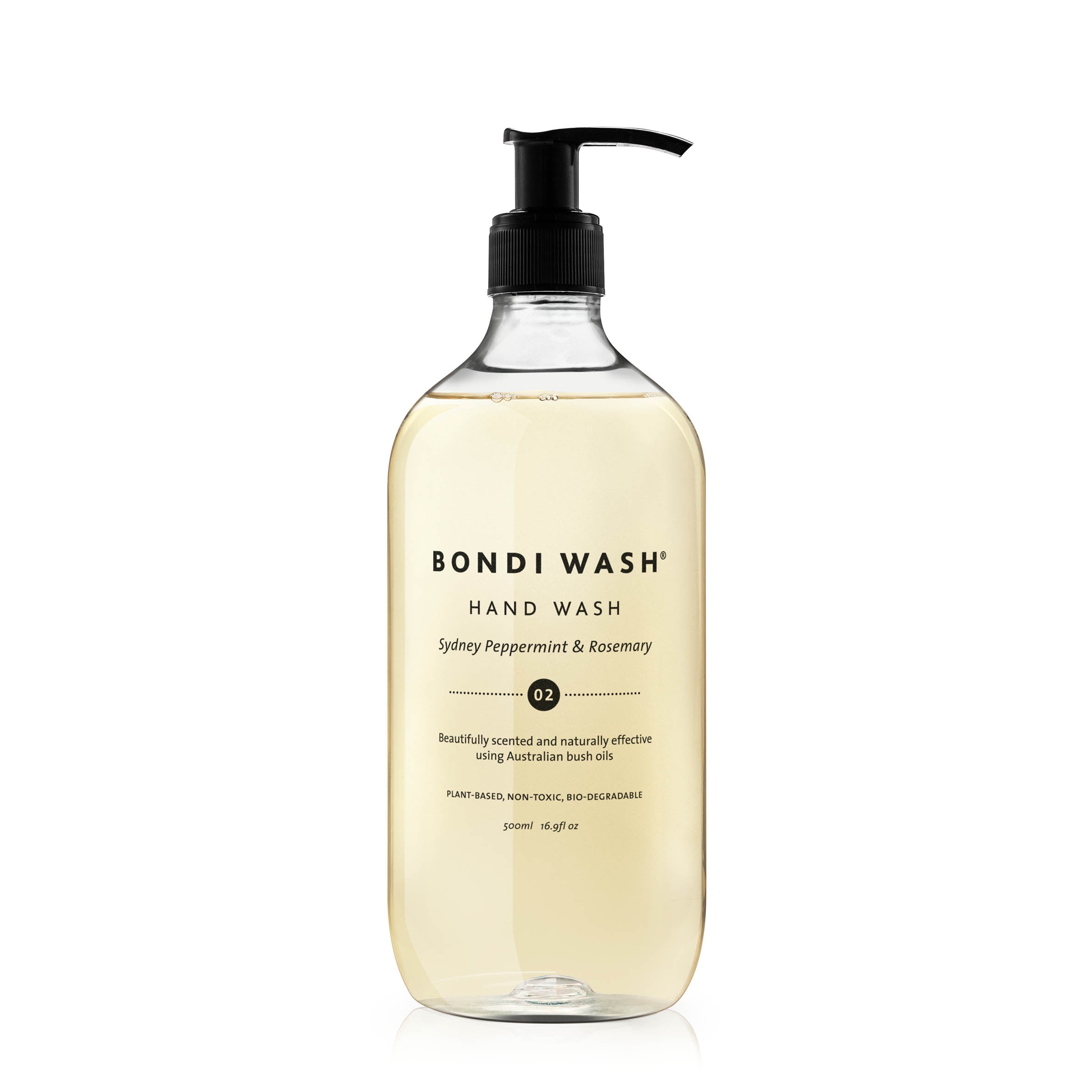
Triclosan is of particular concern as it is found in a wide variety of household products. It can be found in products like antiseptic creams, hand santisers, hand washes and even toothpaste.
Originally developed and used in hospitals in the 1970s, consumer goods companies starting using it consumer products to kill bacteria and microbes (germs). Back then, tests were carried out into its safety but nothing done about it, so consumer goods companies added it to any product they thought might need added anti-bacterial power.
Links that we think are credible that you might find interesting….
http://www.beyondpesticides.org/antibacterial/health/
Triclosan is definitely an ingredient we avoid.